Free estimates · Hablamos Español · Serving all of Tampa Bay
Randoms Lawn Care & Hardscaping · Home

Lawn & Tree Care

Tree trimming in Tampa Bay: structure first, permits checked

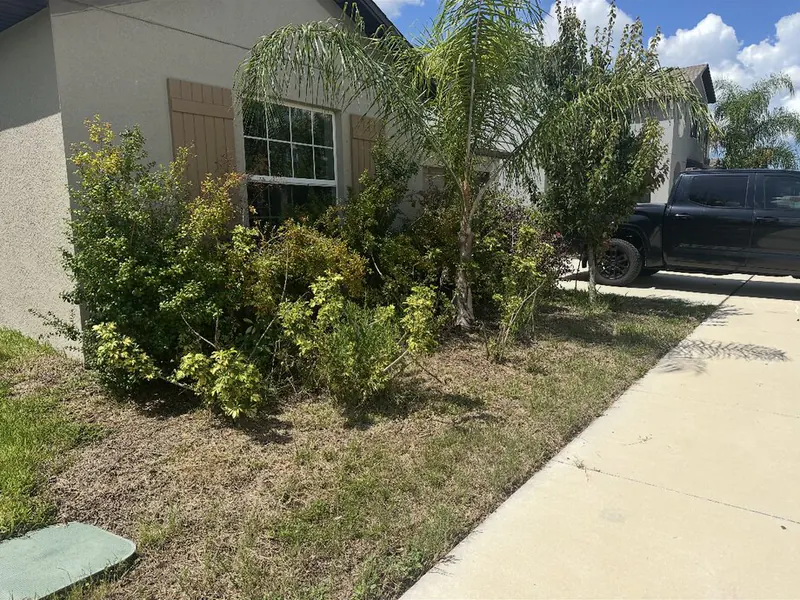
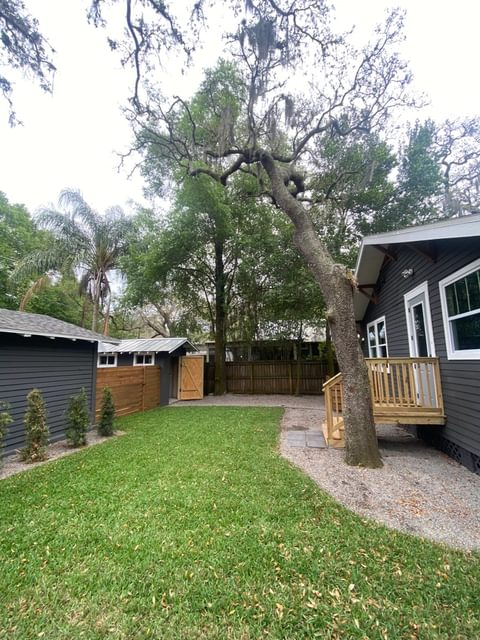
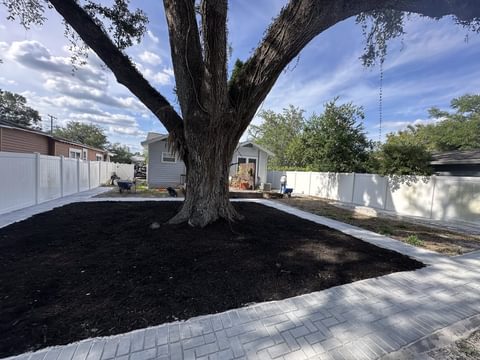
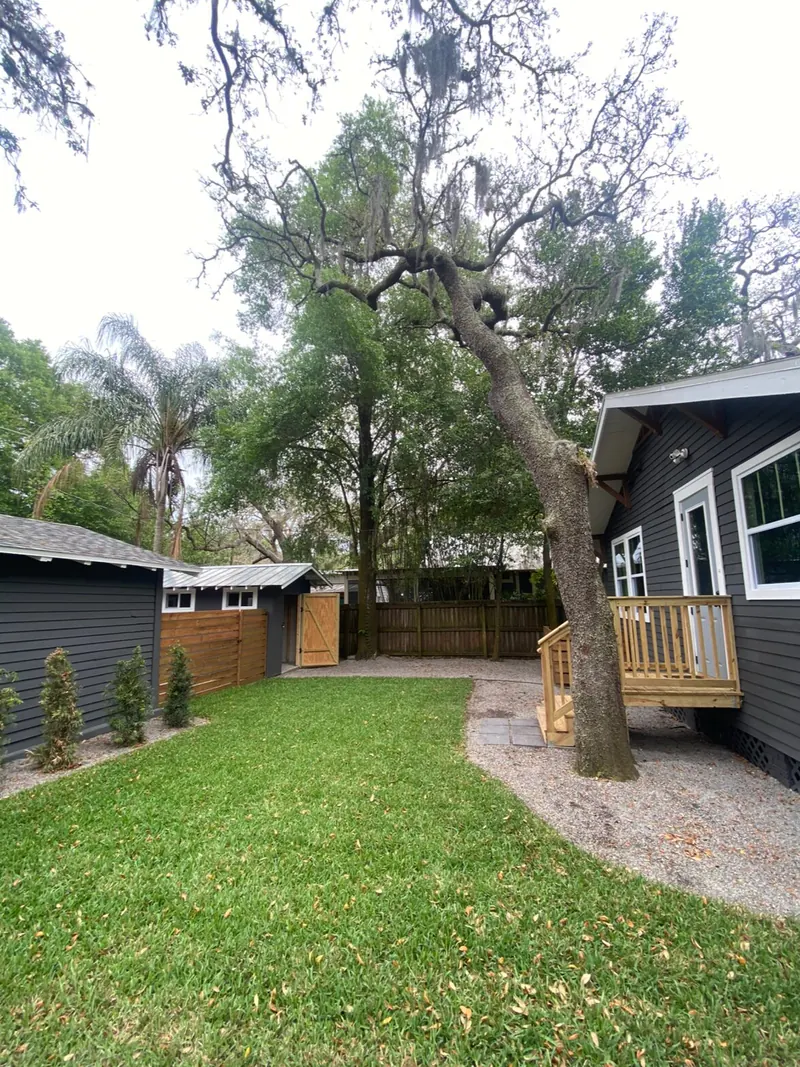
A good trim leaves a tree stronger than it found it. That means taking out dead and rubbing limbs, lifting the canopy off the roof and driveway, and shaping young trees so they don't split in the next storm, not stripping an oak to a lollipop or cutting a palm down to a few green spikes. Tampa Bay's live oaks and sabal palms deserve that patience.

  • 5.0 Google
  • Licensed & Insured
  • 5+ Years
  • Free Estimates
  • Hablamos Español

Overview

Randoms handles trimming, shaping, palm cleaning and storm pruning for homes, HOAs and commercial properties. We check trunk size, location and permit rules before the first cut, prune to ANSI A300 practice, then chip or haul everything away. For protected or grand trees, we work with your arborist report and the city or county permit.

What's included

  • Dead, broken and hazard limbs removed
  • Clearance over roofs, driveways, sidewalks and pool cages
  • Canopy raising for light, lawn and foot traffic
  • Structural pruning of young trees
  • Palm cleanup: brown fronds, seed pods and flower stalks only
  • Permit checks for trunk size, protected trees and right-of-way trees
  • Small removals once the permit question is settled
  • Chipping or haul-away and a full cleanup

What a proper trim includes

We start with what's dead, broken, cracked or rubbing, because those limbs fail first in wind. Next comes clearance: branches off the roof and gutters, over the driveway and sidewalk, and away from pool screen cages, where one heavy limb can tear a panel. Raising the canopy of a big oak also lets low-angle light reach the lawn, one of the fixes UF/IFAS recommends for thin turf in shade.

Young trees get structural pruning, choosing one strong leader and spacing the main branches so the tree doesn't grow into a weak fork. What we don't do is top trees or strip the interior. Hillsborough County follows ANSI A300 guidance and advises removing less than 25% of a canopy at once, and over-pruning can be cited. Lighter, regular trims beat a drastic one every few years.
Palms: no hurricane cuts

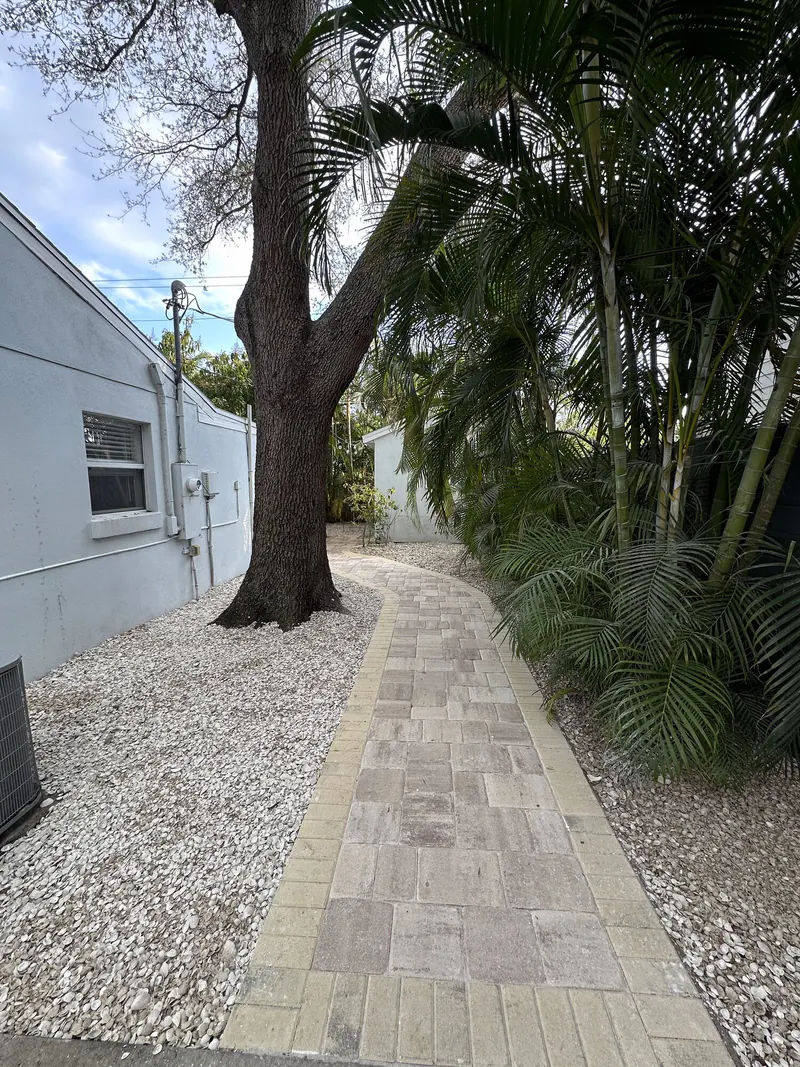
The so-called hurricane cut, stripping a palm down to a few upright fronds, does the opposite of what people hope. UF/IFAS research is clear: remove only fronds that are fully brown, plus hazards and flower or fruit stalks. Green and even yellowing fronds are still feeding the palm, recycling potassium and magnesium back into the crown, and over-pruned palms grow weak, narrow trunks.

The often-quoted rule of nothing above the 9 and 3 o'clock line is an absolute limit, not a target. Palms left unpruned actually fared better in the 2004 hurricanes. So when we clean sabal, queen, Medjool or foxtail palms, we take the dead fronds, the seed pods that drop and stain pavers, and any loose boots, and we leave the green canopy alone. A palm that looks a little full is a healthier, safer palm.

Permits in Tampa and around the bay

Tree rules depend on where the trunk stands. In the City of Tampa, pruning a tree 24 inches or more in trunk diameter needs a pruning permit, removing a non-exempt tree 5 inches or larger needs a removal permit, and Grand Trees of 32 inches or more go through a special public process. Right-of-way trees belong to the city's Parks Forestry division. Temple Terrace requires a permit to cut branches 10 inches or larger.

Unincorporated Hillsborough has no pruning permit but holds work to ANSI A300; removing a yard tree 12 inches or larger on a developed residential lot needs a permit. In unincorporated Pinellas, routine trimming needs no permit, and since January 23, 2026, homesteaded single-family lots protect only trees over 24 inches. Pasco, Polk and other cities set their own rules, so we check with them first. For protected or grand trees, we work with your arborist report and the permit.

Timing: before June, and around nesting season

The best window for storm pruning in Tampa Bay runs from late winter through May, before hurricane season opens on June 1. Cuts start to seal over, debris gets picked up on the normal schedule, and the tree goes into August lighter and better balanced. Our hurricane preparation visit bundles that pruning with the rest of the yard checklist.

Once a storm warning is issued, it's too late for major trimming: curbside pickup stops hours before tropical-storm winds arrive, and a fresh pile of limbs becomes a pile of projectiles. Wildlife sets limits too. Bald eagles nest from October 1 through May 15, and an active nest carries a 660-foot buffer, so any big job near one waits. The hurricane yard prep checklist lays out the full calendar.

Power lines and bigger removals

We don't work on trees touching or near power lines, and nobody without line-clearance qualifications should. That work belongs to your utility's crews: TECO, Duke Energy, Withlacoochee River Electric (WREC) or Lakeland Electric, depending on your address. In the City of Tampa, trees in the lines go to TECO's line clearance team. Call them, and once the line is clear, we can handle the rest of the canopy and the cleanup.

Small removals are part of the job when the permit question is settled. For larger trees, we'll tell you plainly whether the job suits our equipment. After any removal, our stump grinding service takes the stump below grade so the spot can go back to lawn or mulch.

How it works

Tree trimming, step by step

  1. Step 1: Walk the trees

    We note species, trunk diameter, condition, permit triggers, nearby lines and access for every tree in scope.

  2. Step 2: Written scope

    You see which limbs come off, roughly how much canopy that is, and how the debris will be handled.

  3. Step 3: Prune to ANSI A300 practice

    Clean cuts at the branch collar, no topping, no hurricane cuts on palms.

  4. Step 4: Haul and clean up

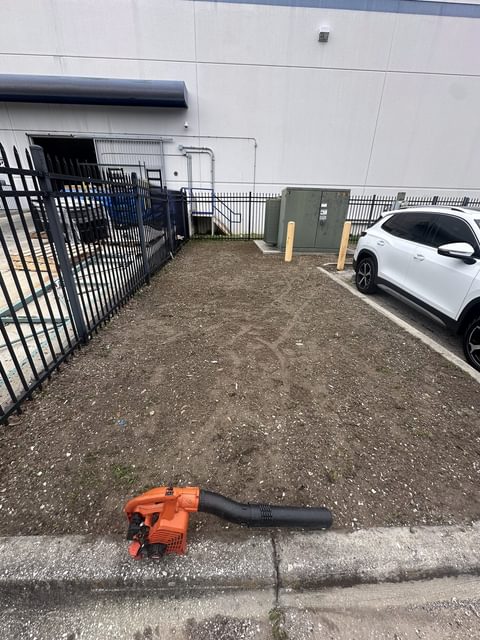
    Limbs are chipped or hauled, and the yard, roof edges and pavement are raked and blown clean.

Frequently asked questions

Questions about tree trimming

More questions? See all FAQs

Only for larger trees: inside the City of Tampa, pruning a tree 24 inches or more in trunk diameter needs a pruning permit. Trees in the public right-of-way go through the city's Parks Forestry division, and removing a non-exempt tree 5 inches or larger needs a removal permit. Unincorporated Hillsborough has no pruning permit, but work must follow ANSI A300.

Keep it under 25% of the canopy in a single pruning, which is the ANSI A300 guidance Hillsborough County points to. Removing more starves the tree, triggers weak sprouting and can be cited as over-pruning. If a neglected tree needs a lot of work, we spread it across two or more visits instead of taking it all at once.

No. UF/IFAS advises removing only fully brown fronds, plus seed and flower stalks. Green and yellowing fronds still feed the palm, and stripping them weakens the trunk and crown. Palms left unpruned held up better in the 2004 hurricanes. Treat the 9 and 3 o'clock line as an absolute limit, never as the goal of a trim.

Late winter through May is the best window, ahead of the June 1 start of hurricane season. Debris is collected on the normal schedule and cuts have time to close before peak season in August through early October. Once a storm warning is issued, skip major trimming; pickups stop and loose branches can turn into projectiles.

Sometimes. On a single-family home, Florida Statute 163.045 lets you prune or remove a tree without a local permit when signed documentation from your own ISA-certified arborist or a Florida-licensed landscape architect (Randoms doesn't provide these assessments) shows it poses an unacceptable risk. Bring that report and we'll take it from there; without one, the normal city or county permit rules apply.

No. Only qualified line-clearance crews should work on trees touching or near power lines. Call your utility, whether that's TECO, Duke Energy, Withlacoochee River Electric or Lakeland Electric, and report the problem. Once the utility has cleared the line, we can prune the rest of the tree, clean up the debris and grind any stump left behind.

Free Estimates

Get your free estimate

Trimming, shaping, palm cleanup and storm pruning, with permits checked before we cut.

If we miss your call, we'll text you back from this number during business hours. Msg & data rates may apply; reply STOP to opt out.

Free Estimates · Hablamos Español

Ready to start your project?

Tell us about the yard. We'll recommend the right fix and put it in a free written estimate.

Call or text (813) 359-9722 · Mon–Sat 8:30 AM – 7:00 PM · Sun closed