Free estimates · Hablamos Español · Serving all of Tampa Bay
Randoms Lawn Care & Hardscaping · Home

Landscaping & Installs

Landscape design for Tampa Bay yards, planned for your site

Good landscape design in Tampa Bay starts with questions a plant catalog never asks. How many hours of sun does the bed get, and from which side? Where does water stand after a summer storm? What will the HOA approve, and how much irrigation will the 2026–27 watering order allow? Answer those first and the plant list nearly writes itself.

  • 5.0 Google
  • Licensed & Insured
  • 5+ Years
  • Free Estimates
  • Hablamos Español

Overview

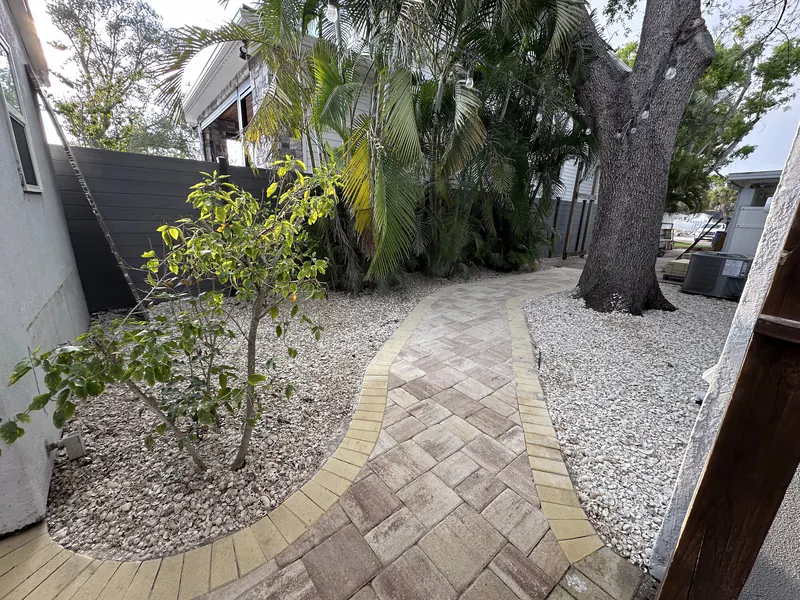
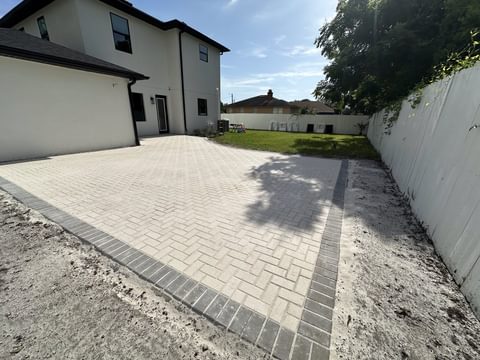
Randoms designs and installs front-yard curb appeal, backyard living spaces and HOA or commercial entrances. You get a plan with a plant list, bed shapes and materials, and our own crew builds it, from edging and planting to mulch, rock and drip adjustments. We follow UF/IFAS Florida-Friendly Landscaping principles, so the yard looks good without fighting the climate.

What's included

  • On-site consultation and measurements
  • Sun, shade, drainage and soil notes for every bed
  • A layout plan with a full plant list
  • Florida-friendly plant choices matched to each spot
  • Bed shaping, edging and old-bed removal
  • Planting by our own crew
  • Mulch, rock and drip-line adjustments to finish
  • An establishment watering plan for new plants

Right plant, right place

UF/IFAS boils Florida-Friendly Landscaping down to nine principles: right plant, right place; water efficiently; fertilize appropriately; mulch; attract wildlife; manage yard pests responsibly; recycle yard waste; reduce stormwater runoff; and protect the waterfront. The first one does most of the work. A plant that suits its spot needs less water, less feeding and less rescue.

Climate is part of the spot. On the 2023 USDA hardiness map, Tampa (ZIP 33609) sits in zone 10a, and coastal Hillsborough, Pinellas and Pasco all warmed a half-zone, while more than half of Polk moved from 9b to 10a. Inland yards still catch the occasional frost, so we keep cold-tender tropicals near the house or in pots you can move. Our Florida-Friendly landscaping guide covers the watering side.
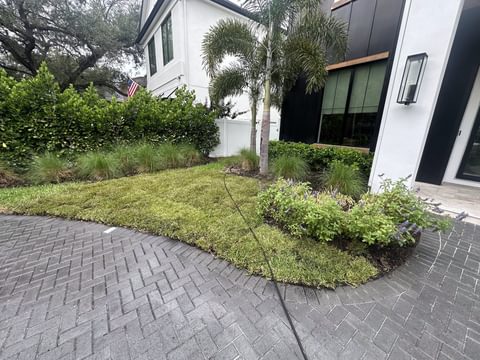
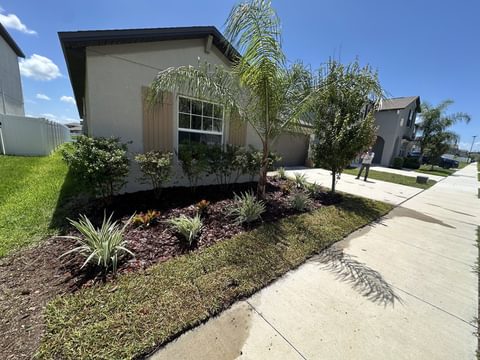
Plants that earn their spot

Our design palette leans on plants with a track record in Tampa Bay heat and sand. For color and pollinators: firebush, blanket flower and tickseed, Florida's state wildflower. For evergreen structure: coontie, dwarf yaupon, Walter's viburnum and podocarpus. For shade under oaks: wild coffee and beautyberry. Muhly grass adds pink fall plumes, Fakahatchee grass softens bed edges, and sunshine mimosa or perennial peanut can replace thirsty turf on slopes and strips.

Trees anchor the plan. Sabal palm, the state tree, stands up to wind; Simpson's stopper makes a fragrant small tree or hedge; live oak, southern magnolia and crape myrtle give shade at different scales. Every plant on your list gets sized for its mature spread, so nothing has to be hacked back off a window in three years.

Designing for wind

Every Tampa Bay landscape plan is also a hurricane plan. UF/IFAS wind-resistance research, revised in August 2026, ranks live oak, sand live oak, southern magnolia, crape myrtle, podocarpus, hollies and bald and pond cypress among the most wind-resistant trees. Laurel oak, water oak, sand pine, Chinese elm, pecan, Leyland cypress and Washington fan palm rank among the least. Sabal palms hold up well.

Placement matters as much as species. Trees planted in groups survive storms better than lone specimens, and large shade trees need room for roots, roughly a 33-by-33-foot area, away from foundations, driveways and septic lines. We also keep loose rock out of beds near windows, one of the steps in our hurricane yard prep checklist. For existing trees, our hurricane preparation visit handles the pruning side before June.

HOAs and Florida-friendly yards

Florida law generally protects this choice: F.S. 720.3075(4) bars HOA rules that prohibit Florida-friendly landscaping or conflict with water-shortage orders. As of October 2026, under SWFWMD's order (through March 31, 2027), associations also can't enforce rules that would increase water use. Your HOA can still require architectural approval of the plan itself.

That's where a clean submittal helps. We prepare a drawing and plant list your board can actually read, with plant names, mature sizes, bed materials and edging details, so approval doesn't stall over a vague sketch. In deed-restricted communities like those around Westchase, that paperwork is often the longest step, so we start it early.

From plan to planting

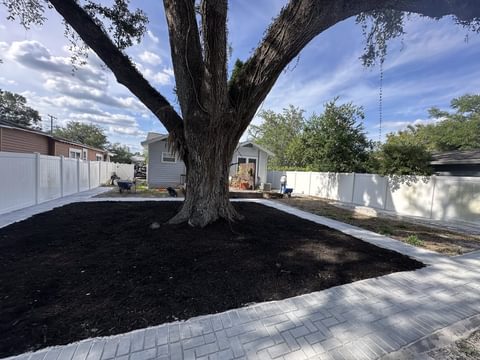
Installation follows the plan in order. Old shrubs, weeds and tired beds come out first; bed lines get cut and edged; soil is amended where the sand needs help; plants go in at the right depth and spacing. Then beds get 2–3 inches of mulch, held back from trunks and stems, and drip lines or spray zones are adjusted for the new layout. Our mulch installation page explains the depth and material choices.

New plants need steady water while they root. As of October 2026, under SWFWMD's order (through March 31, 2027), hand watering and micro-irrigation of plants other than lawns are allowed any day before 8 a.m. or after 6 p.m., and new landscapes qualify for the 60-day establishment schedule. We leave a written watering plan and check back once the plants settle in.

How it works

Landscape design, step by step

  1. Step 1: Goals

    We talk through how you use the yard, the look you want, your budget range and any HOA limits.

  2. Step 2: Site analysis

    We map sun, shade, drainage, soil, existing trees, utilities and sprinkler coverage.

  3. Step 3: Plan and scope

    You review a layout and plant list, adjust it with us and approve a written scope.

  4. Step 4: Install

    Our crew removes old material, shapes and edges beds, plants, mulches and adjusts irrigation.

  5. Step 5: Establishment follow-up

    A written watering plan for the first weeks and a check-in visit once plants root.

Frequently asked questions

Questions about landscape design

More questions? See all FAQs

Firebush, coontie, muhly grass, wild coffee, Simpson's stopper, sabal palm and live oak are reliable choices, as long as each one is matched to its sun and moisture. Firebush and blanket flower want full sun, wild coffee wants shade, and coontie handles both. Choosing by the spot instead of the nursery tag is what keeps a new bed from struggling.

Generally, no. F.S. 720.3075(4) bars HOA rules that prohibit Florida-friendly landscaping, and as of October 2026, under SWFWMD's order (through March 31, 2027), associations can't enforce rules that would increase water use. Your HOA can still require architectural approval and upkeep, so we prepare a clear drawing and plant list for the submittal.

Tampa is in USDA hardiness zone 10a on the 2023 map. Coastal parts of Hillsborough, Pinellas and Pasco shifted warmer, and more than half of Polk County moved from 9b to 10a. Inland neighborhoods can still see a light frost some winters, so we place cold-sensitive tropicals where they're sheltered or easy to cover.

It often does, according to Realtors. In the 2023 Remodeling Impact report by the National Association of Realtors and the National Association of Landscape Professionals, Realtors estimated a landscape upgrade recovers about 100% of its cost, and 92% said they advise sellers to improve curb appeal before listing. Those are estimates, not promises.

Live oak, sand live oak, southern magnolia, crape myrtle and podocarpus rank among the most wind-resistant in UF/IFAS research, and sabal palms hold up well. Laurel oak and water oak rank among the weakest. Planting in groups and giving large trees enough root space matter almost as much as the species you pick.

Both. We design the layout and plant list, then our own crew does the removal, bed shaping, planting, mulch, rock and irrigation adjustments, so the person who planned it is accountable for how it's built. If a commercial project already has drawings from a design professional, we can build from those plans instead.

Free Estimates

Get your free estimate

Front and backyard plans built around sun, water rules, wind and your HOA, then installed.

If we miss your call, we'll text you back from this number during business hours. Msg & data rates may apply; reply STOP to opt out.

Free Estimates · Hablamos Español

Ready to start your project?

Tell us about the yard. We'll recommend the right fix and put it in a free written estimate.

Call or text (813) 359-9722 · Mon–Sat 8:30 AM – 7:00 PM · Sun closed