Free estimates · Hablamos Español · Serving all of Tampa Bay
Randoms Lawn Care & Hardscaping · Home

Clearing & Site Work

Land clearing in Tampa Bay, keeping the trees worth saving

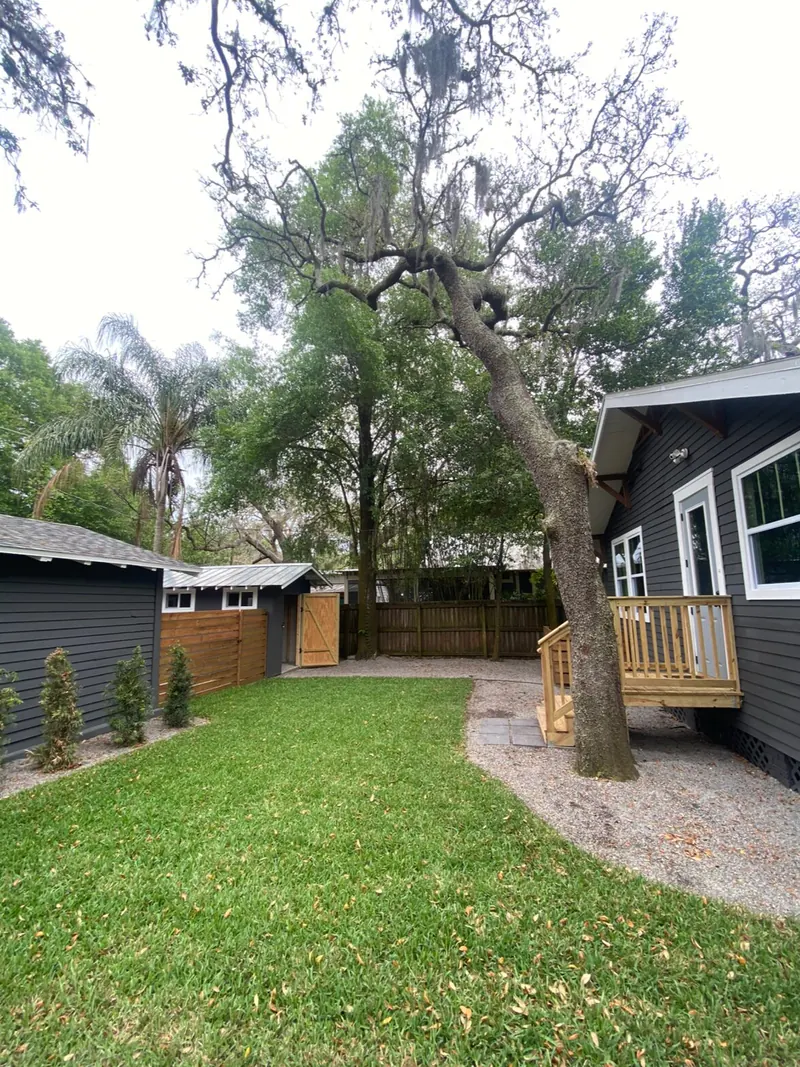
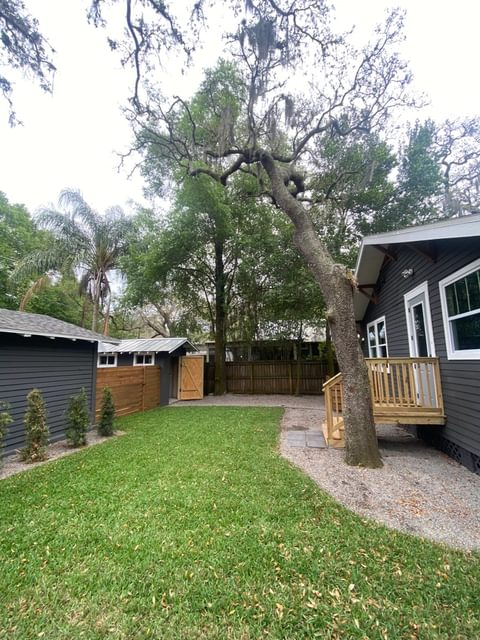
Most clearing jobs in Tampa Bay aren't about scraping a lot bare. They're a back fence line swallowed by Brazilian pepper, a side yard lost to air potato vines, or a corner of the property that has to open up for a pool, a shed or a new fence. The goal is to remove what's in the way and protect the oaks, palms and shade you want to keep.

  • 5.0 Google
  • Licensed & Insured
  • 5+ Years
  • Free Estimates
  • Hablamos Español

Overview

Randoms clears residential lots and commercial parcels across Hillsborough, Pinellas, Pasco and Polk. We walk the site first, flag keeper trees, check for gopher tortoise burrows and nests, confirm which permits apply, then clear in stages and chip or haul the debris to approved facilities. We don't burn, and we don't cut corners on the wildlife rules.

What's included

  • Site walk with keeper trees flagged
  • Gopher tortoise burrow and nest check before work starts
  • Brush, vine and invasive plant removal
  • Small tree removal once permits are confirmed
  • Chipping on site, or hauling to approved yard-waste facilities
  • Stump grinding where cleared ground will be used
  • Rough grading after the clear
  • Silt fence and erosion control when the site needs it

Selective clearing or a full clear?

On most residential lots, selective clearing is the better job. We tie flagging tape on the trees you want to keep, then take out the understory around them: brush, vines, saplings, dead wood and invasive species. Wind-firm species like live oak and sabal palm are usually the keepers; our hurricane yard prep checklist ranks how common trees hold up in storms. Brazilian pepper and air potato are two of the most common invasives on Tampa Bay lots, and both come back if they're only cut back, so the plan includes grinding stumps and picking up the vine's aerial tubers.

A full clear makes sense when a footprint has to be open for construction, a pool or a large outbuilding. Even then, we clear only the area the builder actually needs, plus a working margin, and leave buffers along property lines where neighbors value the screening. Once the ground is open, our site preparation crew can rough-grade it for the next trade.
Permits depend on the county and the trees

Clearing permits are mostly tree permits. In unincorporated Hillsborough, removing trees larger than 5 inches in trunk diameter from vacant land requires a Land Alteration & Landscaping (LAL) permit; for a new home, it's filed with the building permit. The City of Tampa requires removal permits for trees 5 inches and up, and Grand Trees of 32 inches or more need a special process. Pinellas County requires a Tree Removal/Habitat permit even for dead trees, at no charge for invasive species.

On a single-family lot with an existing home, Pasco requires a permit to remove a native tree larger than 5 inches in diameter; palms, non-native species and pines other than longleaf are exempt. Pasco's permit checklist calls for a replacement tree within 30 days — confirm with Building Construction Services. Polk and the individual cities set their own rules, so we check before we quote. Wetlands are a hard stop for us: if the site touches one, we check with the state and county agencies before anything is cleared.

Gopher tortoises and bald eagles

Gopher tortoises are a state-threatened species, and sandy lots in Tampa Bay are exactly where they dig. Under Florida Fish and Wildlife Conservation Commission (FWC) rules, clearing can go ahead without a tortoise permit only if all work stays at least 25 feet from every burrow mouth. Inside that distance, an FWC-authorized agent has to survey the site and relocate the tortoises under permit. If clearing doesn't begin within 90 days of the last full survey, it has to be redone, and FWC doesn't relocate tortoises for property owners.

Bald eagles add a seasonal limit. Nesting season runs October 1 through May 15, and an active nest carries a 660-foot buffer. We look for burrows and nests on the first site walk, before any equipment rolls, so a wildlife issue changes the plan rather than stopping the job halfway.

Bigger sites and stormwater

Size changes the rules. Disturbing an acre or more, or a smaller piece that's part of a larger development plan, requires coverage under the Florida Department of Environmental Protection's NPDES stormwater program. That means a Notice of Intent, a stormwater pollution prevention plan and erosion controls such as silt fence before the ground is opened.

Even on small lots, bare sand moves in the first hard rain. We stage clearing so the whole site isn't stripped at once, keep sediment out of ditches, swales and storm drains, and rough-grade as we go so water drains the way it did before. On a commercial parcel in Plant City or a wooded lot in Wesley Chapel, those steps protect the neighbors' property as much as yours.

Where the debris goes

Burning brush looks cheap until you read the rules. Land-clearing fires need Florida Forest Service authorization, local burn bans are common, and smoke near homes is a nuisance no one needs, so we chip or haul instead. Chips can stay on site as path or utility mulch when you want them.

Everything else goes to the right place. Florida Statute 403.708 bars yard trash from lined Class I landfills, so green debris goes to yard-waste or mulch facilities, separated from any trash or construction material. Keeping loads clean speeds disposal and keeps the job legal. For overgrown yards that also hide old junk and debris, our clean-out service sorts and hauls both.

How it works

Land clearing, step by step

  1. Step 1: Survey the site

    We walk boundaries, flag keeper trees and look for burrows, nests and wet ground.

  2. Step 2: Confirm permits and rules

    We check the tree, wildlife and stormwater rules for your address before quoting a final scope.

  3. Step 3: Clear in stages

    Brush and invasives come out first, then permitted trees, with erosion control in place.

  4. Step 4: Chip, haul and walk it

    Debris is chipped or hauled to approved facilities, and we walk the cleared site with you.

Frequently asked questions

Questions about land clearing

More questions? See all FAQs

Yes, if trees larger than 5 inches in trunk diameter will be removed from vacant land; that takes a Land Alteration & Landscaping (LAL) permit in unincorporated Hillsborough. Inside the City of Tampa, removal permits start at 5 inches, and Pinellas and Pasco have their own tree permits. Clearing only brush and vines usually doesn't trigger a tree permit.

Work can continue without an FWC permit only if all clearing stays at least 25 feet from every burrow mouth. If the work has to come closer, an FWC-authorized agent must survey the site and relocate the tortoises under permit before clearing. A survey goes stale after 90 days, and FWC won't move tortoises for an owner, so plan that step early.

Not without Florida Forest Service authorization, and many local governments ban or restrict land-clearing burns. That's why we chip or haul instead. Chipped material can stay on site as path mulch, and everything else goes to yard-waste or mulch facilities, since Florida law bars yard trash from lined Class I landfills.

Yes, and on residential lots we recommend it. Selective clearing starts with flagging the oaks, palms and other trees you want to keep, then removing the brush, vines and invasive plants around them. We keep equipment off the root zones of keeper trees as much as the site allows, because compacting those roots can kill a tree a year or two later.

Yes. Disturbing an acre or more, or part of a larger development plan, requires Florida DEP stormwater permit coverage under the NPDES program, with a Notice of Intent, a pollution prevention plan and erosion controls like silt fence. Large sites are also more likely to involve wetlands or protected wildlife, which bring their own agency reviews before any work starts.

By removing them fully, not just cutting them back. Brazilian pepper resprouts from cut stumps, so we grind the stumps or coordinate a licensed applicator to treat them. Air potato vines spread from the potato-like tubers they drop, so we collect those during cleanup. Pinellas County waives its tree-removal permit fee for invasive species.

Free Estimates

Get your free estimate

Brush, invasives and small trees cleared for builds, fences and pools, keeper trees saved.

If we miss your call, we'll text you back from this number during business hours. Msg & data rates may apply; reply STOP to opt out.

Free Estimates · Hablamos Español

Ready to start your project?

Tell us about the yard. We'll recommend the right fix and put it in a free written estimate.

Call or text (813) 359-9722 · Mon–Sat 8:30 AM – 7:00 PM · Sun closed