Free estimates · Hablamos Español · Serving all of Tampa Bay
Randoms Lawn Care & Hardscaping · Home

Clearing & Site Work

Site preparation in Tampa Bay: grading that sends water away

Everything that sits on the ground, from a paver patio or shed pad to a pool deck or a new lawn, inherits whatever is underneath it. In Tampa Bay that's often poorly drained sand over a hard layer, with a water table that climbs in the rainy season. Skip the prep and you get puddles against the slab, pavers that sink and sod that drowns in one corner and bakes in another.

  • 5.0 Google
  • Licensed & Insured
  • 5+ Years
  • Free Estimates
  • Hablamos Español

Overview

Randoms handles grading and leveling, fill and topsoil, swales and downspout routing, compaction and final grade for residential and light commercial projects. We check utilities with Sunshine 811 and confirm permit needs before the first scoop. When a project calls for an engineer's or surveyor's plan, we build to that plan rather than guessing.

What's included

  • Grade and drainage review, with elevation checks
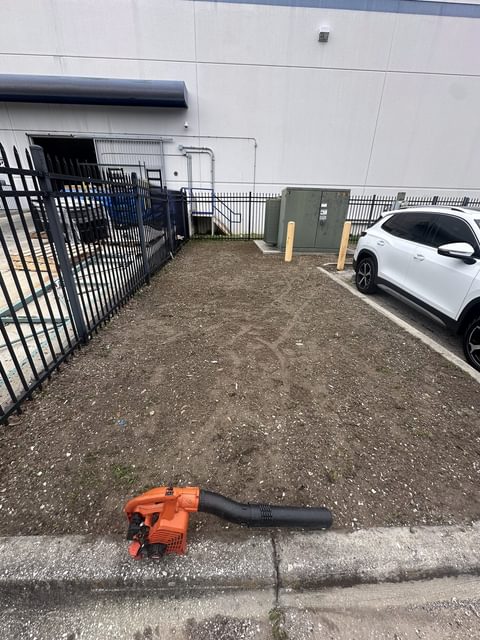
  • Root, stump and debris clearing
  • Cut-and-fill grading to the agreed elevations
  • Clean fill and screened topsoil brought in as needed
  • Swale shaping and downspout routing
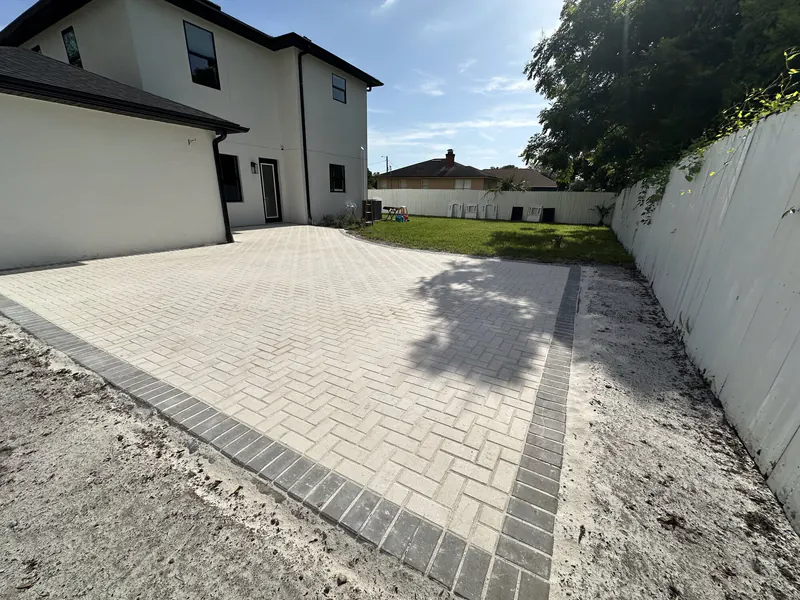
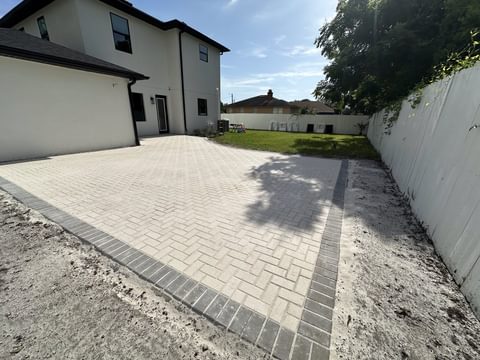
  • Pad compaction in thin lifts for pavers, sheds and pool decks
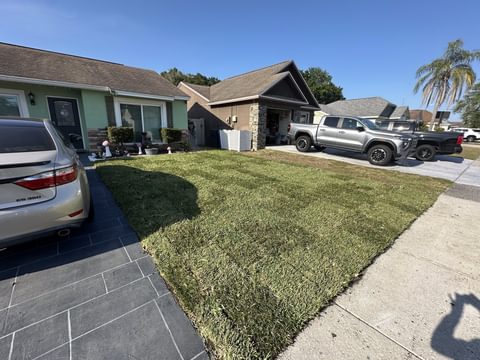
  • Final grade, loosened and leveled for sod or beds
  • A Sunshine 811 locate before any digging

Tampa Bay soil and the water table

Much of the region sits on Myakka-type sands, and USDA soil surveys describe them plainly: poorly drained, with the water table within about 18 inches of the surface for one to four months in most years, over a hard layer roughly 20 to 36 inches down. In the dry season the sand drains fast. In the rainy season there's nowhere for water to go but sideways.

That's why standing water in a Tampa Bay yard is usually a grading problem, not something a load of sand will fix. The answer is to move water across the surface to a swale, a street or a lower part of the lot before it pools, especially near low-lying areas like the Alafia River floodplain around Riverview. Good site prep works with that reality instead of hoping the ground will absorb a summer downpour.
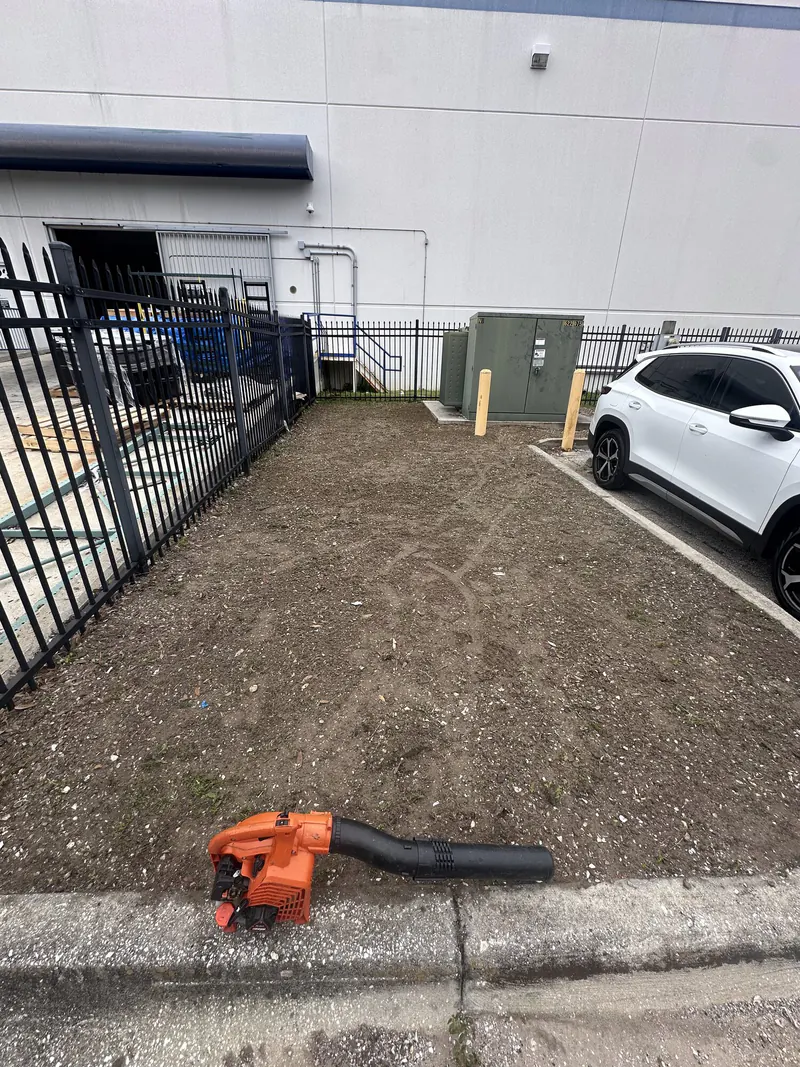
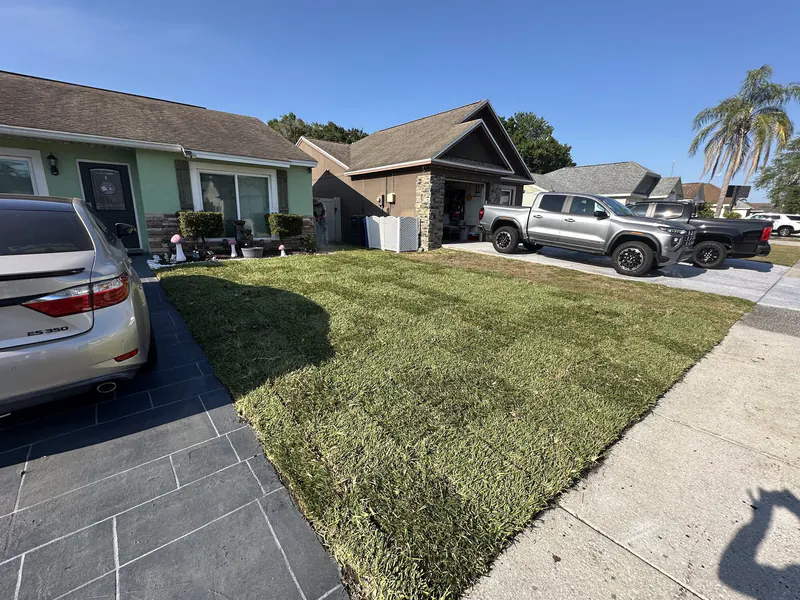
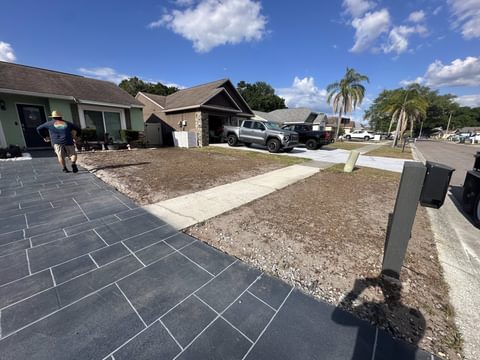
Grading so water leaves the house

The basic rule is positive drainage: every surface near a structure should slope away from it. Hardscape like patios and walks gets a 1–2% fall, and soil against the foundation follows the building-code slope for your project. Downspouts get extended or piped so roof water lands well away from the slab, and long runs of yard get a shallow swale to carry water to an outlet.

Grading also has neighbors. Raising one lot with fill can push water onto the next one, which is why we plan where every gallon ends up before a truck dumps anything. Right-of-way swales along the street belong to the city or county and can't be filled without approval, and nothing gets pushed into storm drains; in Tampa that violates City Code 21-9.

Compacted for pavers, loose for sod

Different finishes need opposite soil. Paver bases, shed pads and pool-deck subgrades are compacted in thin lifts to 98% of standard Proctor density, the industry benchmark, because any air left in the base turns into a dip once the rain and traffic arrive. That work is the hidden half of a lasting paver project; our patio and driveway planning guide lists base depths by use.

A lawn wants the reverse. UF/IFAS guidance for sod beds calls for loose, moist, level topsoil, and a simple field test: a rod should push about six inches into the soil. Equipment traffic during grading compacts sand hard, so before new sod goes down, we loosen the top layer, rake out roots and rocks, and set the final grade about an inch below sidewalks and driveways so the turf finishes flush.

Fill quality matters

Not all dirt is equal. Construction fill is often high in pH, and UF/IFAS warns that turf and plants struggle on it; Bahia, for one, turns yellow on high-pH fill. Fill can also carry buried concrete, roots and trash that settle unevenly for years. We specify clean fill for structural areas and screened topsoil for the top layer anywhere grass or plants will grow.

We'll also tell you when fill isn't the answer. Bringing in more sand to fix a soggy yard rarely works on a high water table; reshaping the grade usually does more for less. When a project needs significant fill, we figure the volume from measured elevations, not a guess, so you aren't paying for loads that end up hauled back out.

Permits, flood zones and utilities

The City of Tampa's advice is direct: always check with its Construction Services Center before grading or filling. Building in a FEMA flood zone can require an elevation certificate, and changing drainage or adding fill may need permits in Hillsborough, Pinellas and Pasco as well, so we check with your jurisdiction before quoting. Large projects can also trigger state stormwater permits, and disturbing an acre or more requires NPDES coverage and erosion control.

Every job starts with a Sunshine 811 ticket two full business days before digging. Surveying and drainage engineering are licensed professions of their own; we don't sign plans or certify elevations. When your project needs that work, we follow the engineer's or surveyor's drawings, and we're glad to coordinate with them on site.

How it works

Site preparation, step by step

  1. Step 1: Assess the site

    We check existing grades, where water collects, utilities, access and what permits your address needs.

  2. Step 2: Plan the elevations

    Target grades and drainage paths are set, so you know where every bit of water will go.

  3. Step 3: Clear, cut, fill and compact

    Roots and debris come out, soil is cut or filled to grade, and pads are compacted in lifts.

  4. Step 4: Final grade and handoff

    The site is finished to grade and handed to our sod or paver crew, or to your next contractor.

Service areas

Where we offer site preparation

All service areas

Frequently asked questions

Questions about site preparation

More questions? See all FAQs

Possibly, so check before the first truck arrives. In the City of Tampa, the Construction Services Center asks you to check with it before any grading or filling, and flood-zone work can bring added requirements. Hillsborough, Pinellas and Pasco set their own rules for drainage changes. We confirm what your address needs while preparing the estimate.

Regrade so water flows away on the surface, usually with positive slope away from the house, a shallow swale to an outlet and extended downspouts. On Tampa Bay's sandy soils the water table can sit within about 18 inches of the surface in the rainy season, so adding sand or waiting for it to soak in rarely solves it.

For patios, walkways and other hardscape, plan on a 1–2% slope away from the house, roughly an eighth to a quarter inch per foot. Soil right against the foundation should follow the slope the building code sets for your project, which we confirm during the site visit. The goal is simple: no surface should ever send water back toward the slab.

Yes, and the two jobs need opposite results. Under pavers, sheds and pool decks, we compact the base in thin lifts to 98% standard Proctor density so it resists settling. For sod, we loosen and level the topsoil so roots can move in, and set the grade about an inch below sidewalks and driveways so the new lawn finishes flush.

It can, which is exactly why drainage gets planned before any fill arrives. Raising one lot or redirecting a swale can send water onto the next property and create a dispute or a code problem. We map where water goes today and where it will go after the work, and we don't move your runoff onto someone else's land.

Use clean fill for anything structural and screened topsoil for the top layer where grass or plants will grow. Construction fill is often high in pH, which UF/IFAS warns stresses turf and yellows Bahia, and it can hide concrete and debris that settle unevenly. Ask where a load comes from before it's dumped on your property.

Free Estimates

Get your free estimate

Grading, fill, drainage and compaction so pavers, pads and sod start on solid ground.

If we miss your call, we'll text you back from this number during business hours. Msg & data rates may apply; reply STOP to opt out.

Free Estimates · Hablamos Español

Ready to start your project?

Tell us about the yard. We'll recommend the right fix and put it in a free written estimate.

Call or text (813) 359-9722 · Mon–Sat 8:30 AM – 7:00 PM · Sun closed